60 Cute Kawaii Coloring Pages for Kids: A Creative Asset Deep Dive
As a creative professional, I'm always evaluating assets that bridge the gap between personal enjoyment and commercial utility. The 60 Cute Kawaii Coloring Pages for Kids collection is a fascinating case study. It's not just a set of printable sheets; it's a versatile design toolkit built around a specific, highly appealing aesthetic. Understanding its components and applications can unlock significant value for designers, marketers, and entrepreneurs alike.
Deconstructing the Visual Appeal and Core Components
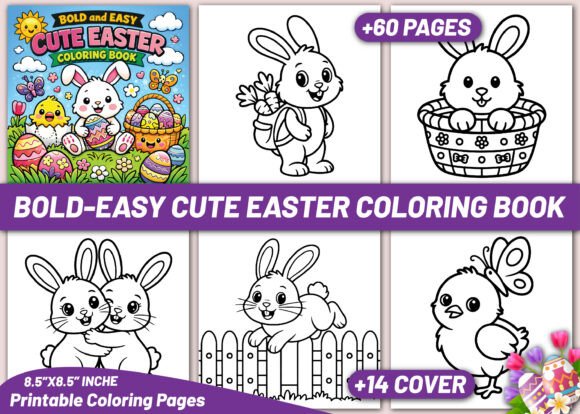
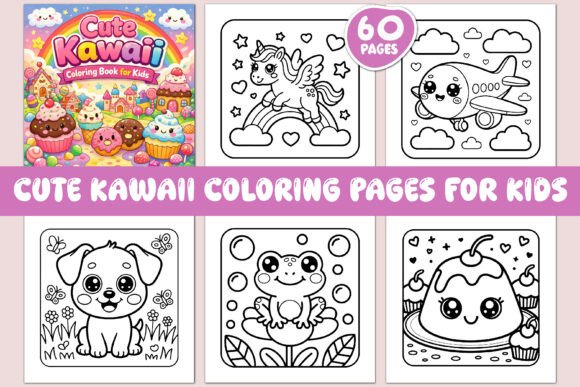
The term "kawaii" refers to a Japanese culture of cuteness, characterized by simple, rounded forms, pastel palettes, and charming, often anthropomorphic, subjects. This collection embodies that perfectly. The illustrations are likely clean, vector-based line art with a friendly, approachable personality. Think of happy food items, smiling animals, and whimsical objects with expressive faces. This style isn't just for children; it taps into a broader audience that appreciates positivity and simplicity in design.
The package's true strength lies in its comprehensive file formats. It includes AI and EPS files, which are vector formats. This is critical. Vectors are infinitely scalable without loss of quality, making them perfect for everything from a tiny social media icon to a large printed banner. The inclusion of print-ready JPG, PNG, and PDF files at 300 DPI ensures high-quality output for physical products. This multi-format approach transforms the bundle from a simple coloring book into a robust library of design assets.
Strategic Applications Beyond the Coloring Book
While the primary use is clear, the real value emerges when you view these assets through a strategic lens. For content creators and bloggers, these illustrations are gold. They can be used as unique visuals for blog posts, newsletter headers, or YouTube video thumbnails, adding a consistent, branded cuteness to your content. The brand identity potential is significant. A small business targeting a family or youthful demographic could extract elements from the pages to create a cohesive look across social media graphics, website banners, and even packaging design for products.
For KDP sellers and publishers, this is a ready-made interior. However, thinking beyond a single book, the assets can be repurposed. Create a series of activity books, design printable greeting cards, or develop educational worksheets. The book cover illustration bonus provides a professional starting point for branding your publication. The consistency across the 60 pages ensures a professional, unified product, which is crucial for building recognition and trust on platforms like Amazon.
Practical Guidance for Integration and Pairing
Integrating this style requires a thoughtful approach. The kawaii aesthetic is a display font in visual form—bold, expressive, and meant to catch the eye. Therefore, it pairs best with clean, neutral typography for body text. Consider a simple sans serif font for readability in accompanying text or a friendly handwritten font for a more personal touch on headings. Avoid competing with overly ornate script fonts or heavy serif fonts, as this can create visual clutter.
Evaluate your project's fit by asking: Does my audience appreciate playful, optimistic visuals? Is my brand personality friendly, approachable, and fun? If you're in education, child-focused services, food & beverage (especially for kids' products), or lifestyle blogging, the answer is likely yes. Test the assets by creating a mockup. Place a kawaii character on a product label or use an illustration as a website hero image. Does it enhance the message or distract? This practical test is more valuable than any theory.
Licensing and Professional Considerations
Always review the licensing terms, even for assets labeled for commercial use. Confirm that the license permits your intended use, whether for print-on-demand products, digital merchandise, or client work. The inclusion of Adobe Illustrator (AI) files is a professional touch, allowing for deep customization—adjusting colors, modifying lines, or combining elements to create entirely new compositions. This elevates the asset from a static image to a flexible component of your design toolkit.
In conclusion, the 60 Cute Kawaii Coloring Pages for Kids bundle is a potent resource. It offers immediate utility for print projects while providing the foundational elements for building a distinctive, engaging visual language. By approaching it not just as a coloring book but as a library of scalable, charming vector art, you can leverage its charm to connect with audiences, strengthen your brand, and streamline your creative workflow across multiple platforms and mediums.